Three ways sharks help the planet + three ways YOU can help sharks!

This July, we’ll be swimming in shark content, from NatGeo’s SharkFest and Discovery Channel’s Shark Week to the Science Mill’s own Shark Week, July 28-August 1.  You can even swim along a reef—virtually—for a limited time with the return of our SciDive 4D experience

To kick things off, let’s look beyond their fierce reputation and focus on a few of the many benefits sharks provide. Sadly, human activities kill as many as 100 million sharks each year—compare that to the few dozen shark attacks reported globally, and it’s clear who is the real threat. But you can make choices that support sharks and protect ocean health.


Three ways sharks help the planet

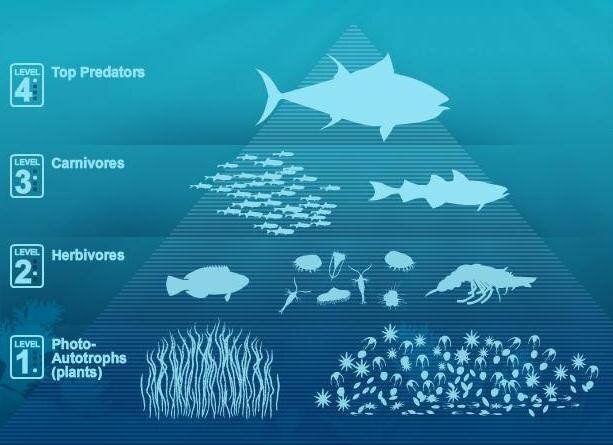
1. Sharks keep the food web in balance.
foodchain-ocean.jpg

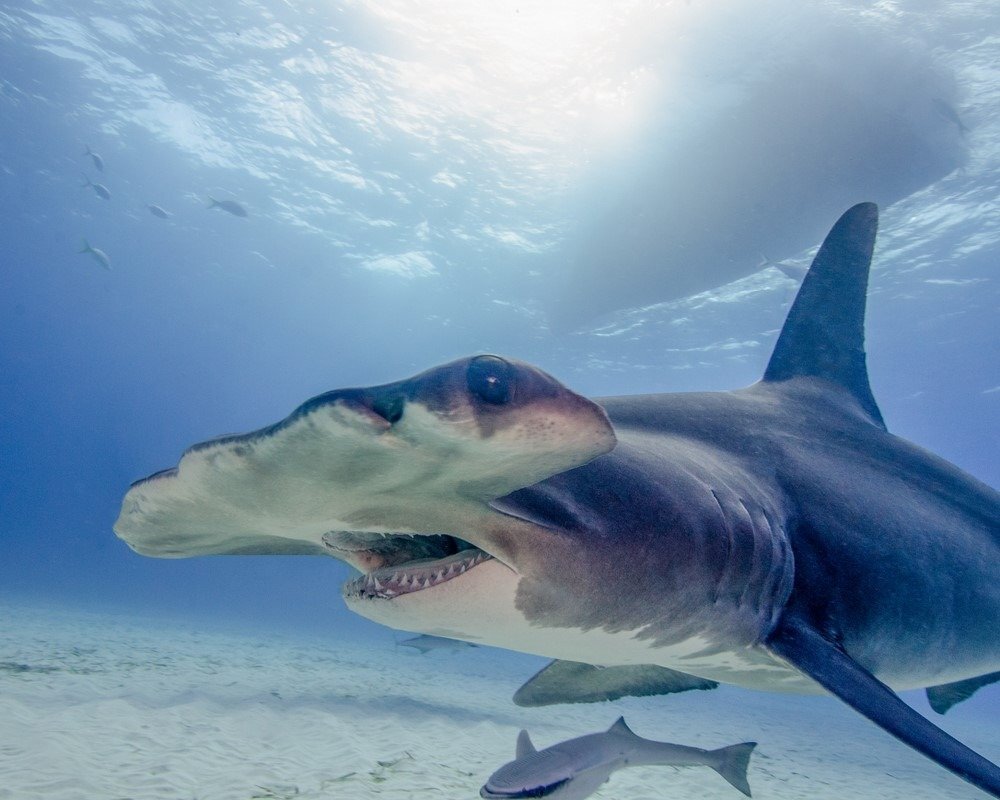
Many large shark species are apex predators at the top of the ocean’s food web. They’re pretty flexible about what they eat, chowing down on whatever prey is plentiful and switching to other foods if a prey population is low. In this way, apex predator sharks keep the food web in balance. Areas with healthy shark populations tend to have lots of other species, too—aka more biodiversity.

Without sharks to thin their numbers, other species may overeat, increase competition and set off a cascade of destructive changes. In the oceans near Australia, fewer sharks meant the grouper population grew; the extra groupers gobbled up algae-eating fish species and, without those helpful fish to keep the algae in check, stressed-out coral reefs struggled to survive. (Scientists also call sharks “keystone species,” because the “building blocks” of an ecosystem start to tumble without them.)

Sharks don’t even need to eat to help balance the food web. Researchers have found that tiger sharks’ intimidating presence alone affects where animals like green turtles and dugongs graze, which in turn protects seagrass ecosystems.

(Also, a shout-out to deep-sea sharks! As seafloor scavengers, they keep the ocean’s carbon cycle going.)


2. Sharks get nutrients moving.
White_shark.jpg

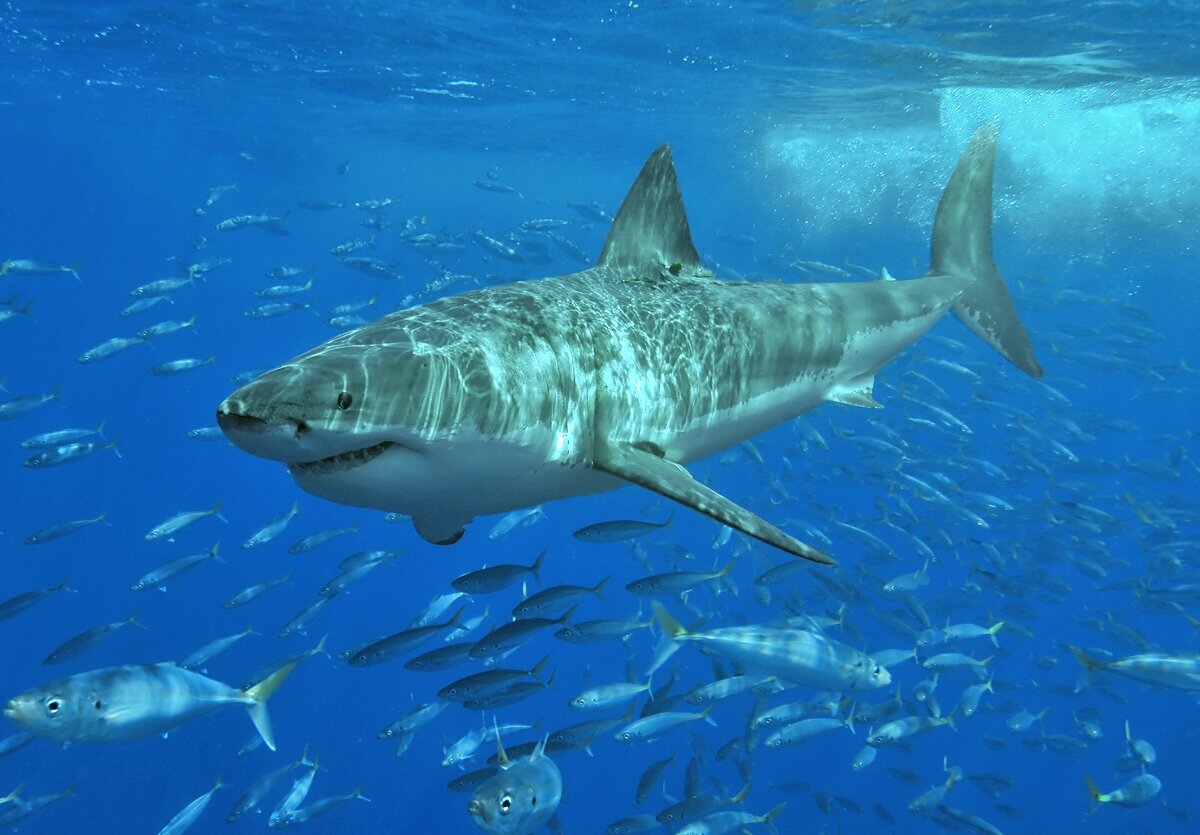
Sharks can cover a lot of ocean, with some species migrating hundreds or even thousands of miles. Their “pit stops” along the way support ocean health: by eating in one location and pooping miles away in another, sharks help to cycle nutrients between ecosystems. When sharks dive, it also helps to mix nutrients across different ocean depths.

Grey reef sharks follow a daily routine of swimming out to hunt at night and returning by day to rest among lagoon reefs—where their poop provides fresh nutrients essential to the coral reefs’ health.


3. Sharks stop diseases from spreading. 

Sharks often prey on weak and sick animals, which may sound like an unfair face-off. But by feeding this way, sharks actually keep prey populations healthier. Sharks help cut down infectious diseases and slow their spread.


Three ways you can help sharks 

1. Avoid shark products and support laws that protect sharks.

Shark fins, considered a luxury ingredient, can sell for major money, which has unfortunately fueled destructive overfishing of sharks. Fins from as many as 73 million sharks are sold each year. Demand for shark meat adds to the problem, as does shark oil, which shows up in make-up and vitamin supplements—so be sure to check labels. And that shark tooth necklace on vacation? Best to skip it, too.

The Shark Fin Sales Elimination Act of 2021 (H.R. 2811/S. 1106) is currently in the U.S. Congress. You can learn more and share your support for the bill through the non-profit Oceana.


2. Make smart choices about seafood.

Scientists estimate that commercial fishing has shrunk populations of sharks and other large predatory fish by 90% worldwide. Many sharks are accidentally caught during longline and trawl net fishing, and rarely survive. To find more sustainably sourced and shark-friendly seafood options, Seafood Watch is a great resource—enter the seafood species you’re interested in and it will provide best choices, good alternatives and things to avoid.


3. Speak up for sharks!

Keep learning about sharks and spread the word about all the awesome things they do for our planet. You might just change someone’s attitude: seeing sharks as ocean protectors instead of people-eating predators is the first step toward helping sharks.
Plan a Hill Country road trip with kids

If your summer bucket list includes “Family time,” “Road trip,” and “Learn something new,” a visit to Johnson City will check all the boxes! To help you plan the perfect Hill Country getaway, we’ve rounded up kid-friendly spots around Johnson City, whether you’re traveling U.S. 281 or U.S. 290.

NOTE: Check websites or call ahead to confirm current availability, hours and policies; some attractions require advance reservations.

A day trip to Johnson City, TX


Start at the Science Mill

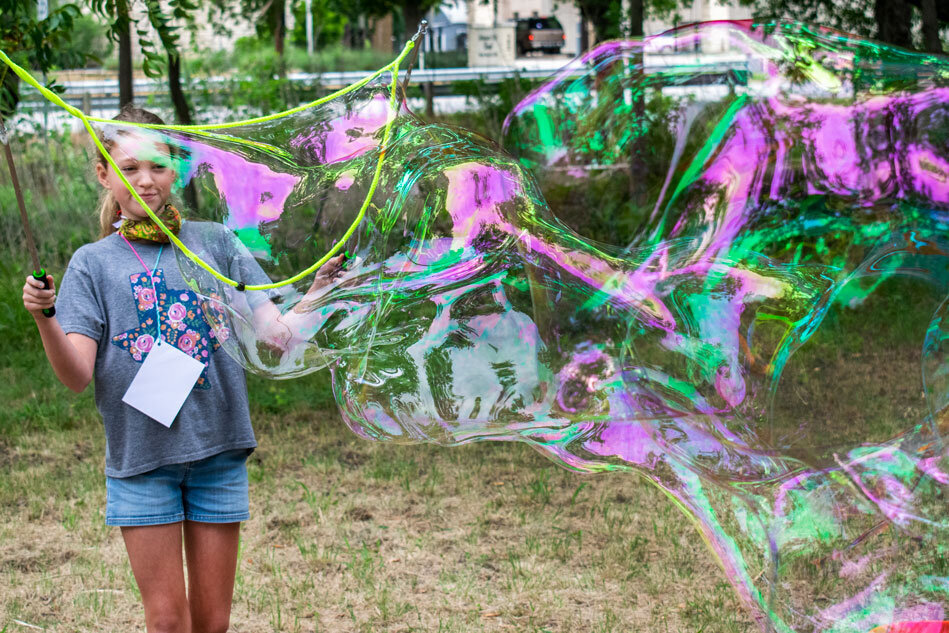
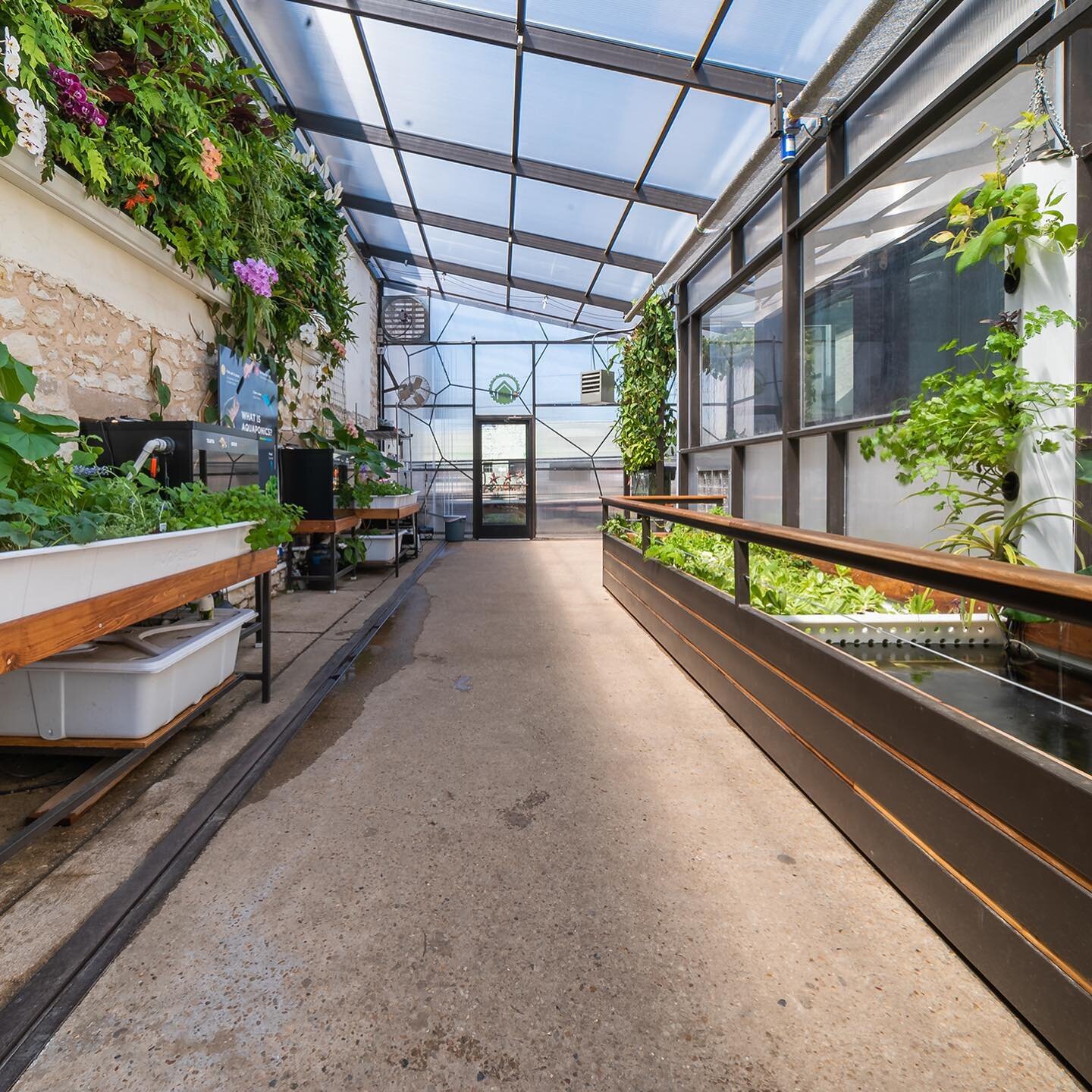
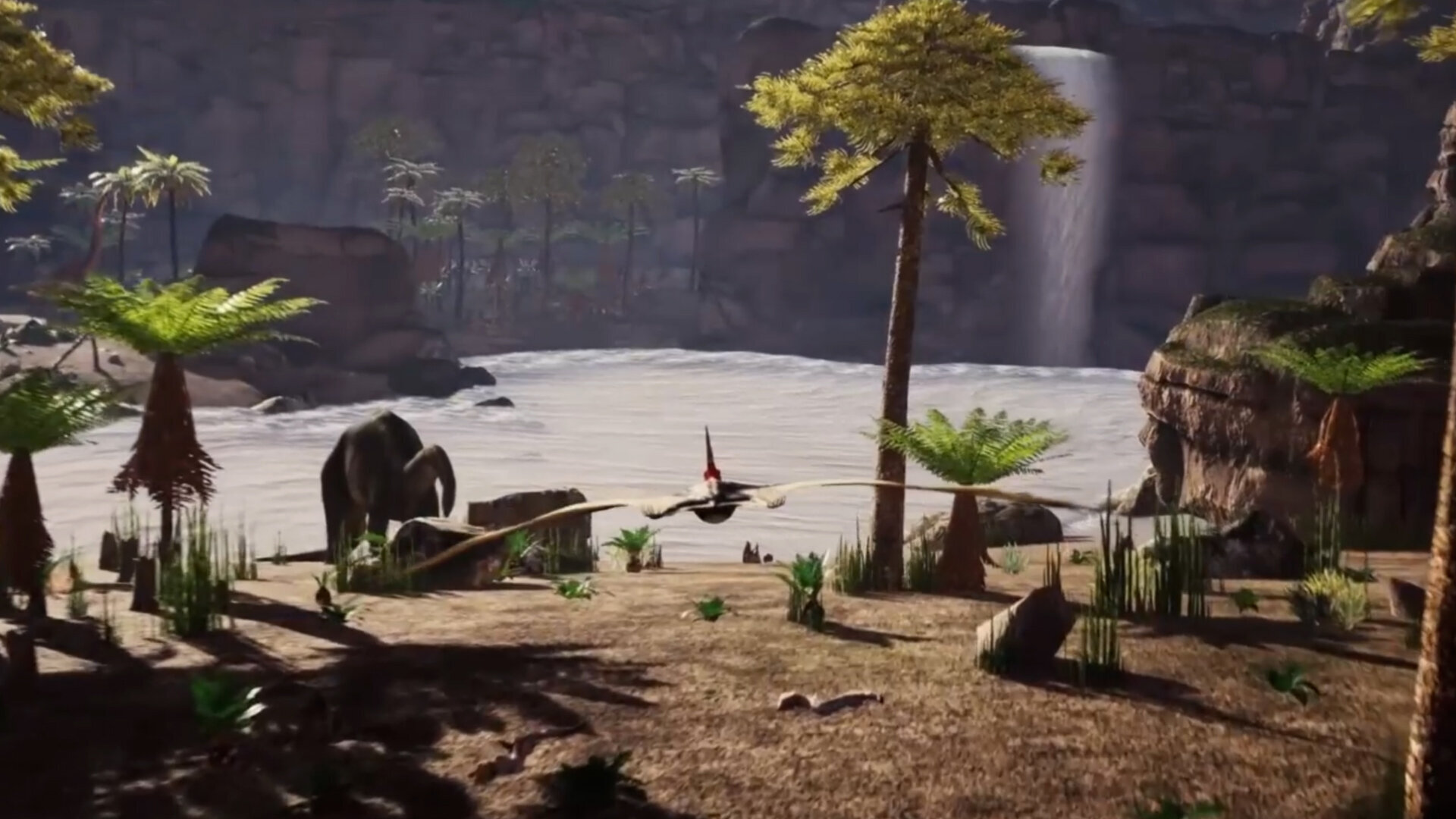
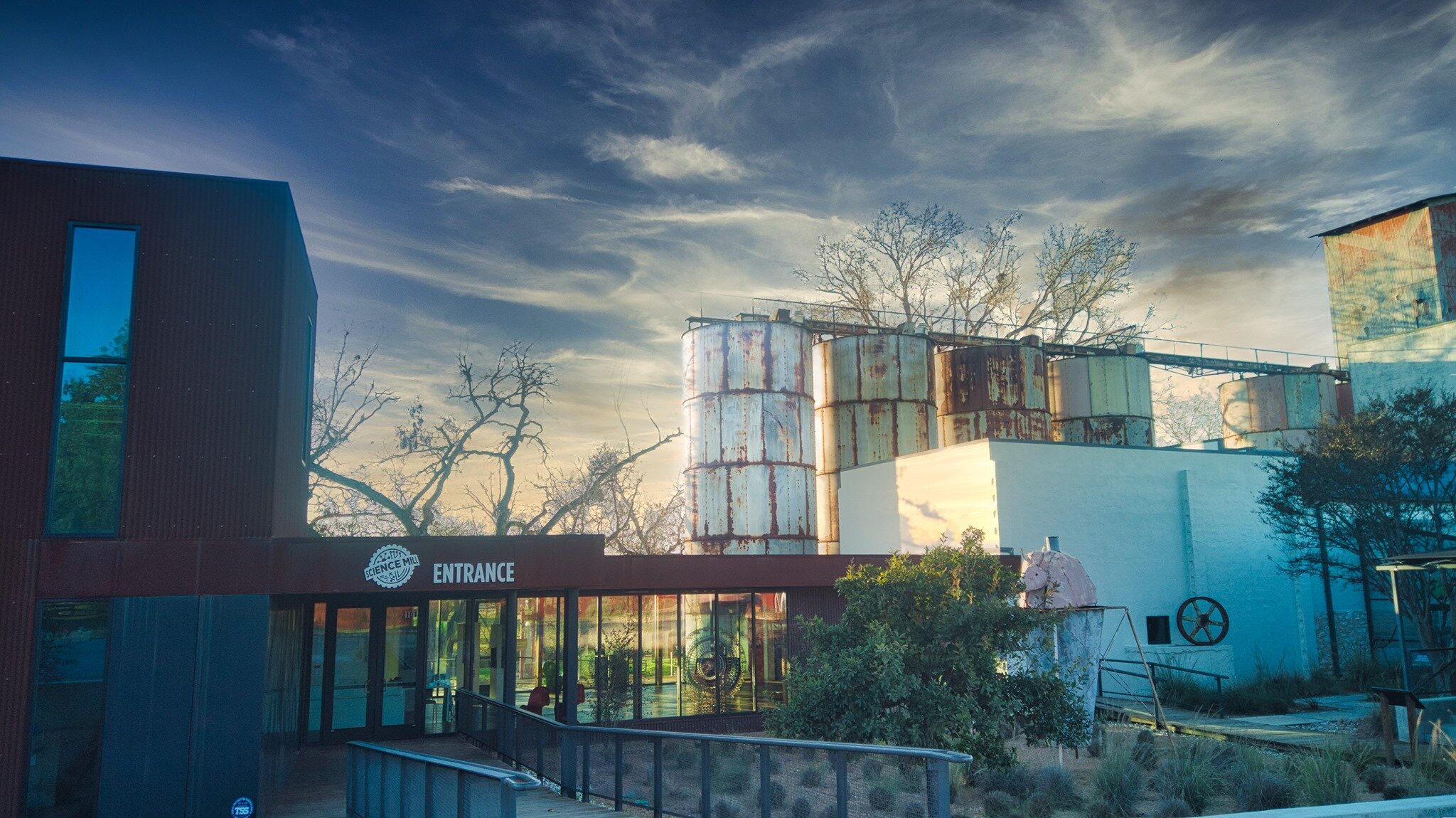
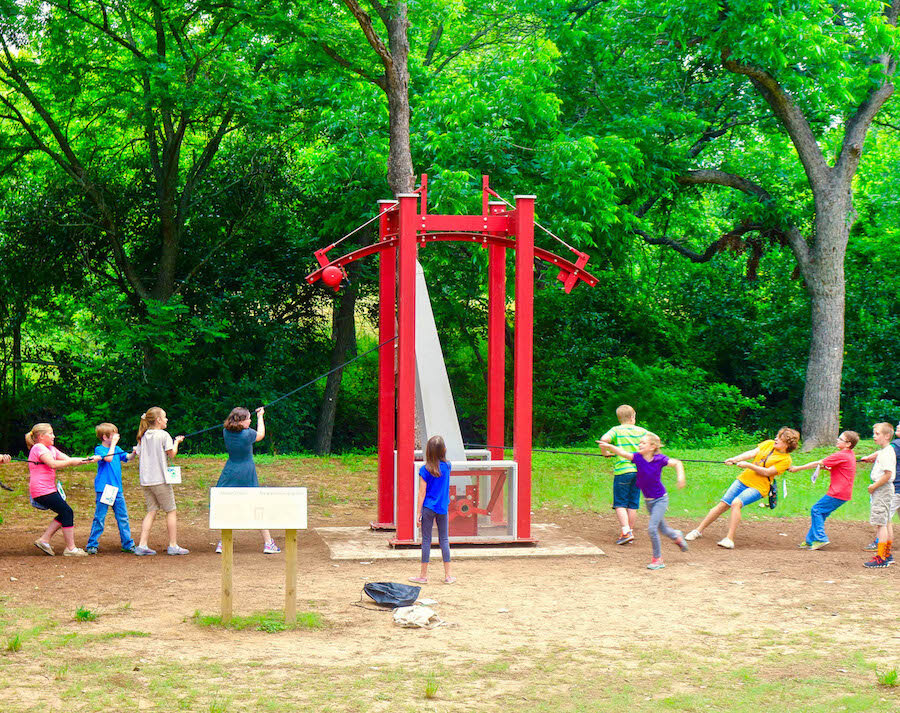
Located in downtown Johnson City, Texas, this historic mill-turned-science center has 50+ imaginative, interactive exhibits to try, so you’ll want at least two hours (or easily more) to explore. Be sure to check out the Science & Art Park, newly expanded in 2020, for visitor favorites like the Colossal Robotic Hand, Fossil Dig and Giant Bubbles Station. Inside the museum, build your own race car, code robot critters, discover an aquaponic greenhouse and much more. And if “Fly like a pterosaur” is on your summer bucket list, we’ve got that covered, too: check out Jurassic Flight 4D, our new full-body, dino-focused virtual reality experience; reserve free tickets at the admission desk—limited spots available daily, so arrive early! 


For a speedy and contact-free entry, buy general admission tickets online. Visit our What’s New & FAQs pages to learn how we’re keeping hands-on science safe. Traveling with a group? We offer special discounts and activity packages for Group Visits!

market days.jpg

Stroll the town square

A short walk from the Science Mill, historic downtown Johnson City has quirky shops and a vibrant art scene (most galleries open Fri-Sun). Shop unique local vendors at Market Days, the 4th weekend of the month, March-Nov.


Natural wonders & wild things

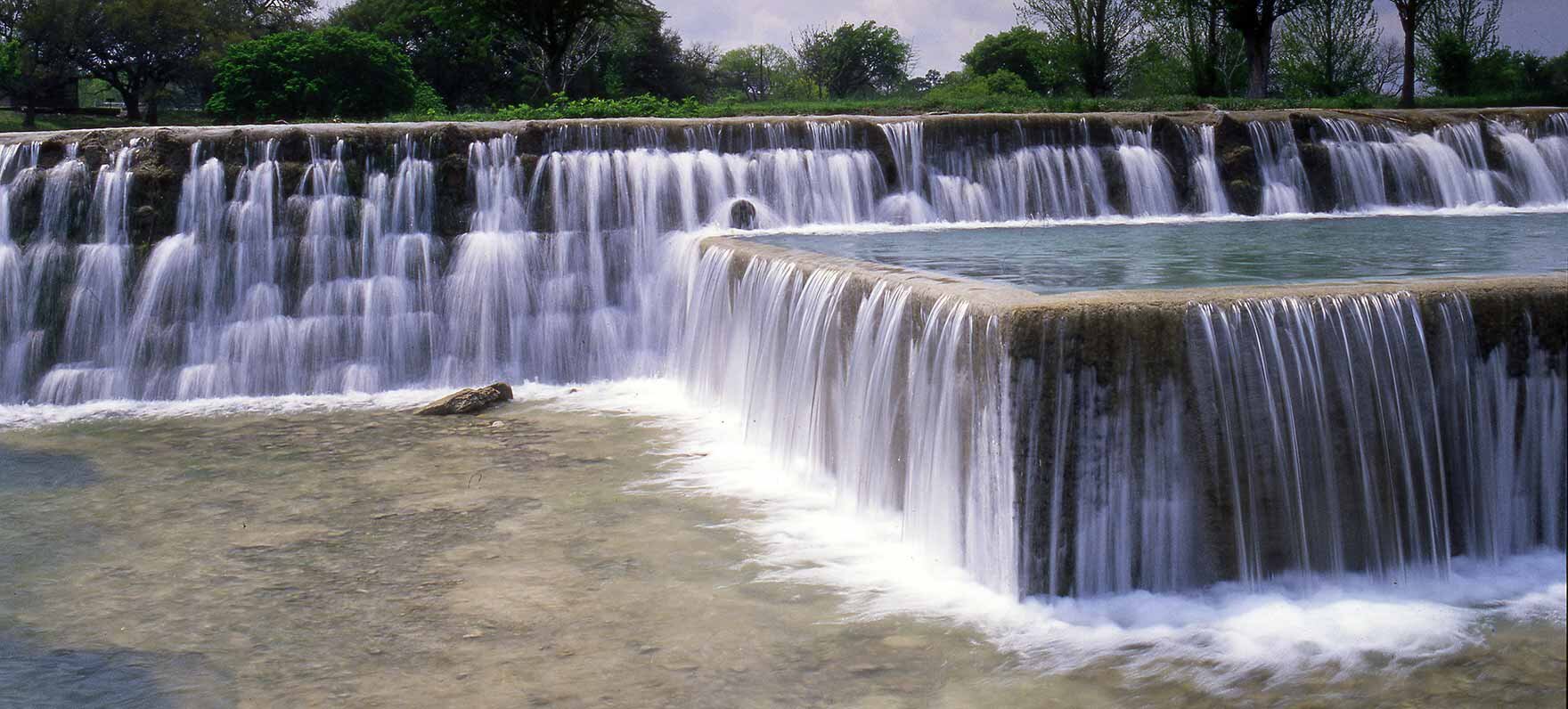
Hike, fish, swim and play at Pedernales River Nature Park and nearby Johnson City Park, a two-minute drive from the Science Mill. Or, reserve passes at Pedernales Falls State Park, where you can bird watch, bike, tube, kayak and camp. Pick up a Junior Ranger Journal for outdoor science ideas.

PED_FALLS_web_0685.jpg
IMG_1300 (1).JPG

Turn your trip into a safari at the Exotic Resort Zoo, just north of downtown. Greet gazelles, camels, yaks and more on guided tours and at the petting zoo.


boyhood home.jpg

Travel through Texas history

Follow presidential footsteps through the Lyndon B. Johnson National Historical Park, including the park Visitor Center, LBJ’s Boyhood Home and the Settlement Trail (and his grandparents’ 1860s log cabin), all within walking distance of the Science Mill. Head 14 miles west to the LBJ Ranch for a self-guided driving tour and see the early one-room schoolhouse, reconstructed birthplace, the grounds of the Texas White House and more. Download the LBJ Park app for self-guided tours and print out a LBJ Junior Ranger booklet.

sauer-beckmann farm.jpeg

The adjacent Lyndon B. Johnson State Park & Historic Site is home to the  Sauer-Beckmann Living History Farm, where you can hear stories from the past as park rangers in 1890s garb spin yarn, blacksmith and demonstrate other farm chores.


lady bird lane.jpg

Local flavor

What’s a day trip without tasty treats? At the Science Mill, enjoy farm-to-table food from Lady Bird Lane Cafe or pack a picnic; there are plenty of outdoor tables and shaded spots for blankets in the creekside pecan grove.


Family dining near downtown includes Proof & Cooper (outdoor playscape and patio), Pecan Street Brewing (kid- and pet-friendly biergarten) and Johnson City Coffee Co. (shaded patio). Indulge at Fat Boy Burgers (garden dining) or pick up snacks at Whittington’s Jerky and General Store. Further west on Hwy 290, on the way to the LBJ Ranch, order ahead at Hye Market (in a post office used since 1886!) and find just-picked peaches mid-May to August at Burg’s Corner, Vogel Orchard or Gold Orchards.

whittingtons.jpg

Family road trip on U.S. 290

Heading west from Johnson City on U.S. 290, or east toward Austin? Consider these add-ons to your Hill Country itinerary!  

Fredericksburg (30-35 min. from the Science Mill)

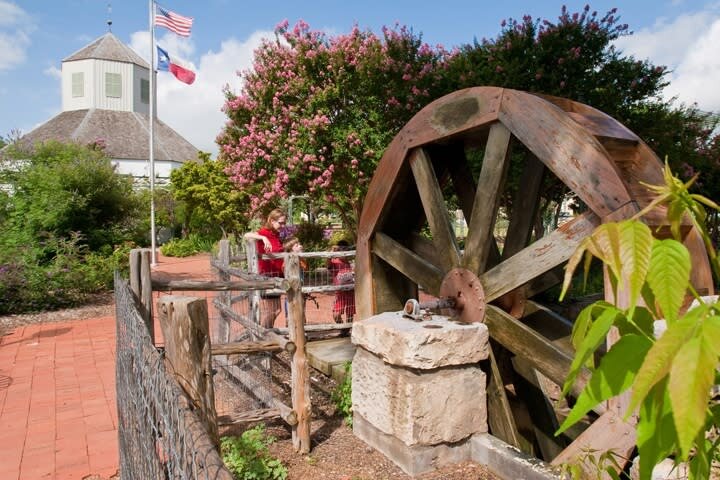
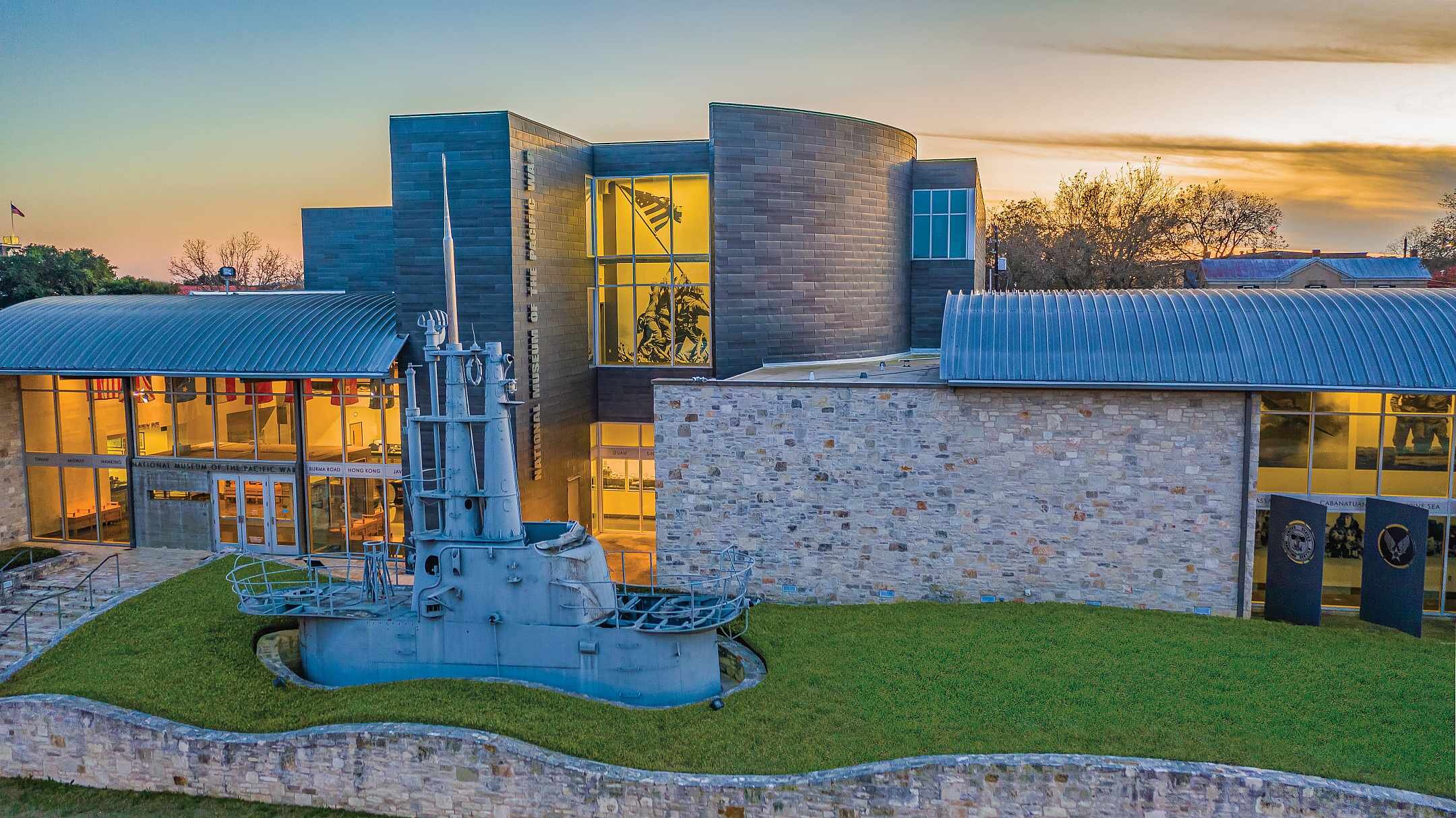
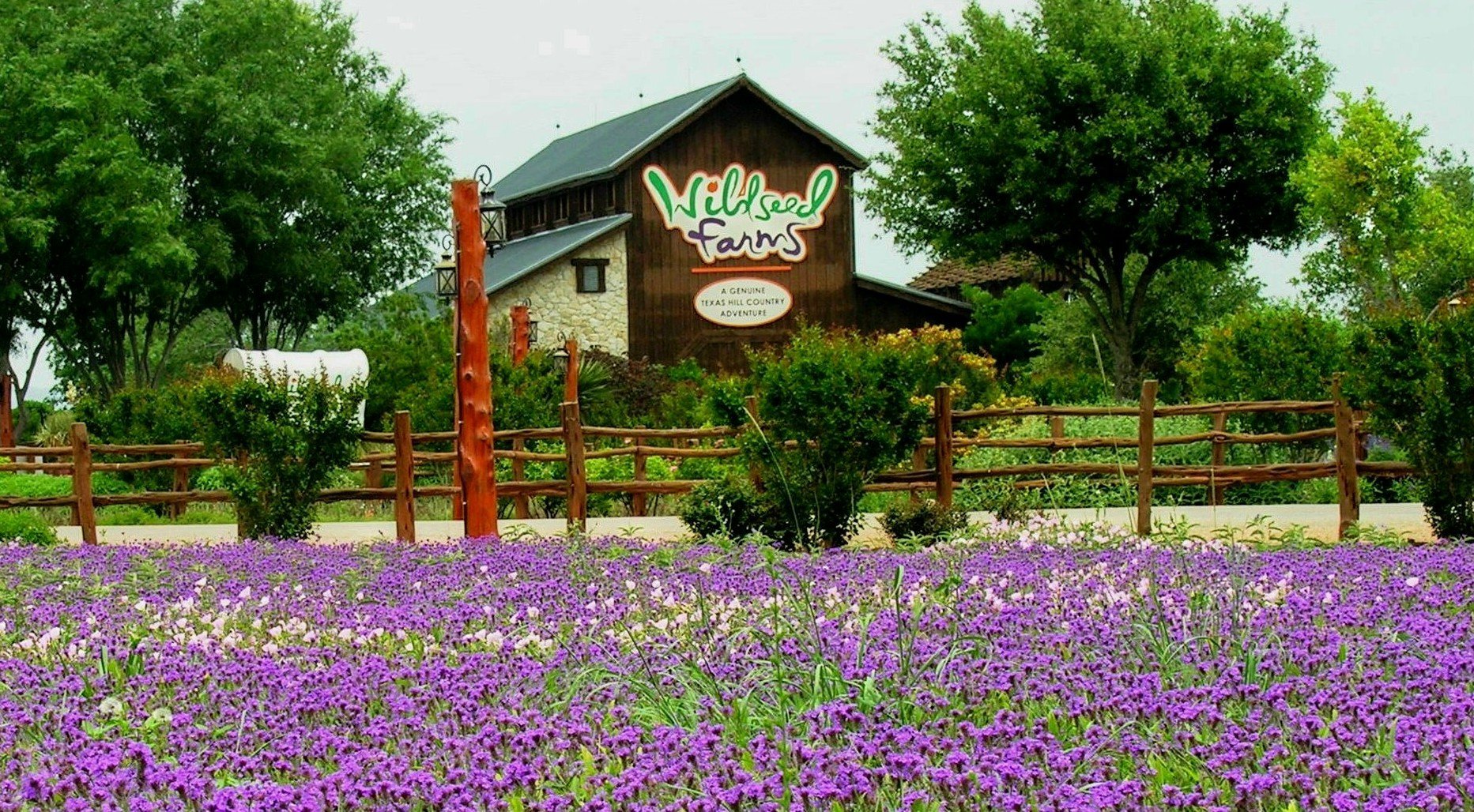
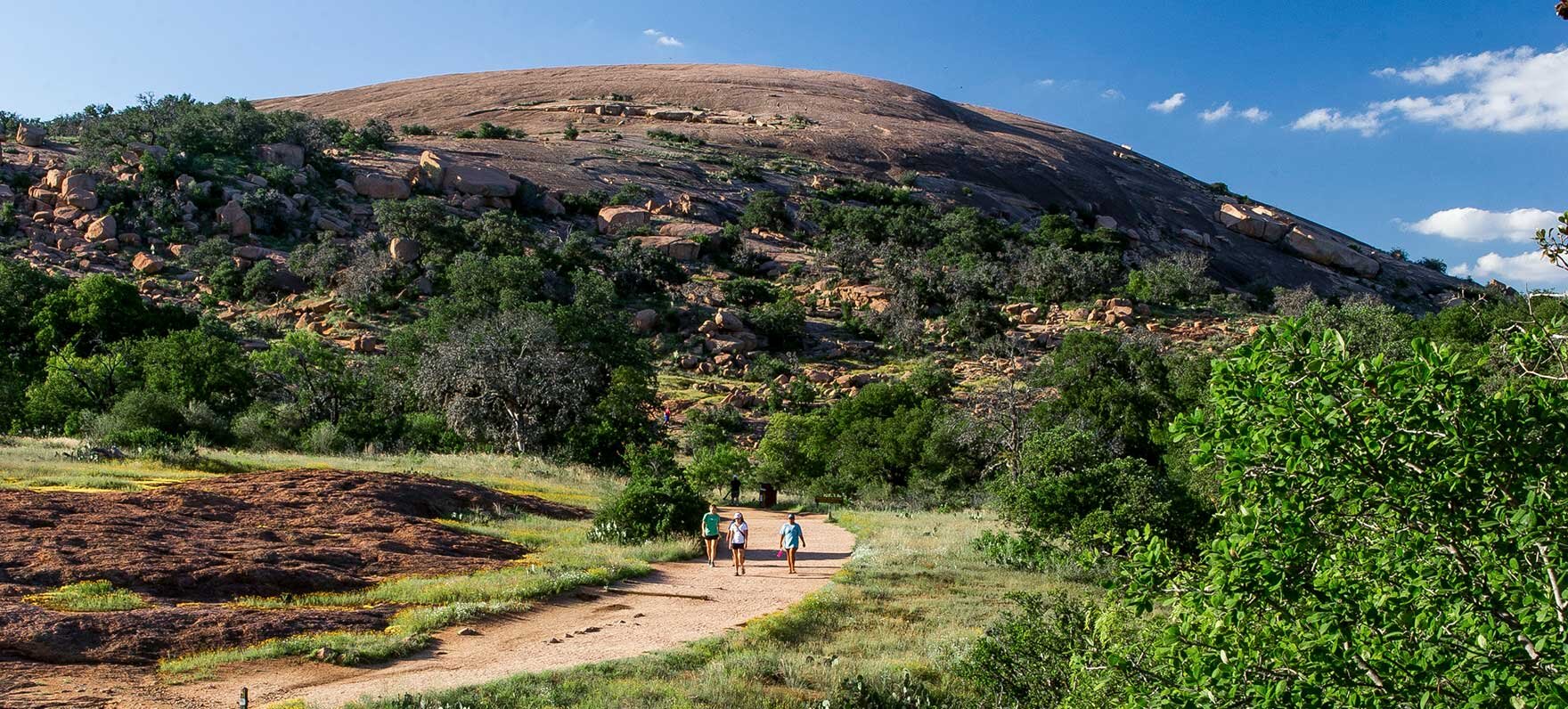
Explore the city’s German heritage at the Pioneer Museum, Vereins Kirche Museum and Marktplatz park. Other historical attractions range from the National Museum of the Pacific War (reservations recommended) to a driving tour of one-room schoolhouses. For wildflower photo-ops, follow Willow City Loop in the spring or head to Wildseed Farms, where commercial flower fields are open for family strolls (food available). Travel further north to hike the granite batholith at Enchanted Rock State Natural Area or south to watch a mesmerizing bat emergence at Old Tunnel State Park Bat Cave (both require reservations).

Dripping Springs (25-35 min. from the Science Mill)

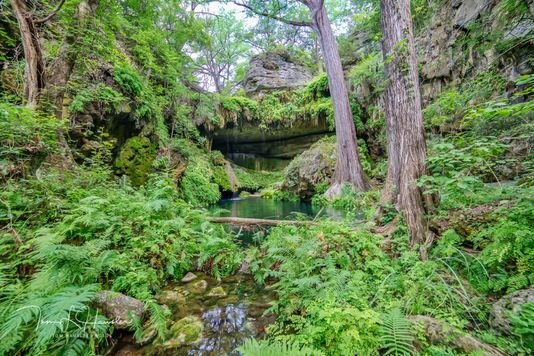
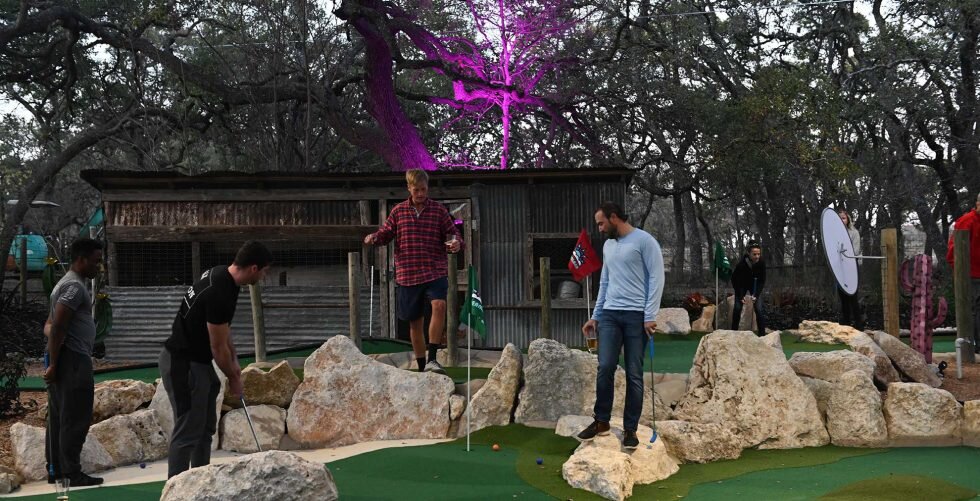
Take a guided tour through a breathtaking grotto at Westcave Outdoor Discovery Center & Preserve (reservations required; visit website for upcoming family programs). Then it’s play time! Dreamland combines outdoor art with mini golf, pickleball and more (food available). At Almost Grown Play Café & Ice Cream Shop, ages six and under can explore the indoor play village, while the rest of the family enjoys a snack (reservations required). Stop by local favorite Rolling in Thyme and Dough to dine in the garden or grab food to go from Crepe Crazy


Family road trip on U.S. 281

If you’re traveling on U.S. 281 between San Antonio and Johnson City (or points beyond), consider stops in Blanco or Canyon Lake. 

Blanco (15-20 min. from the Science Mill)

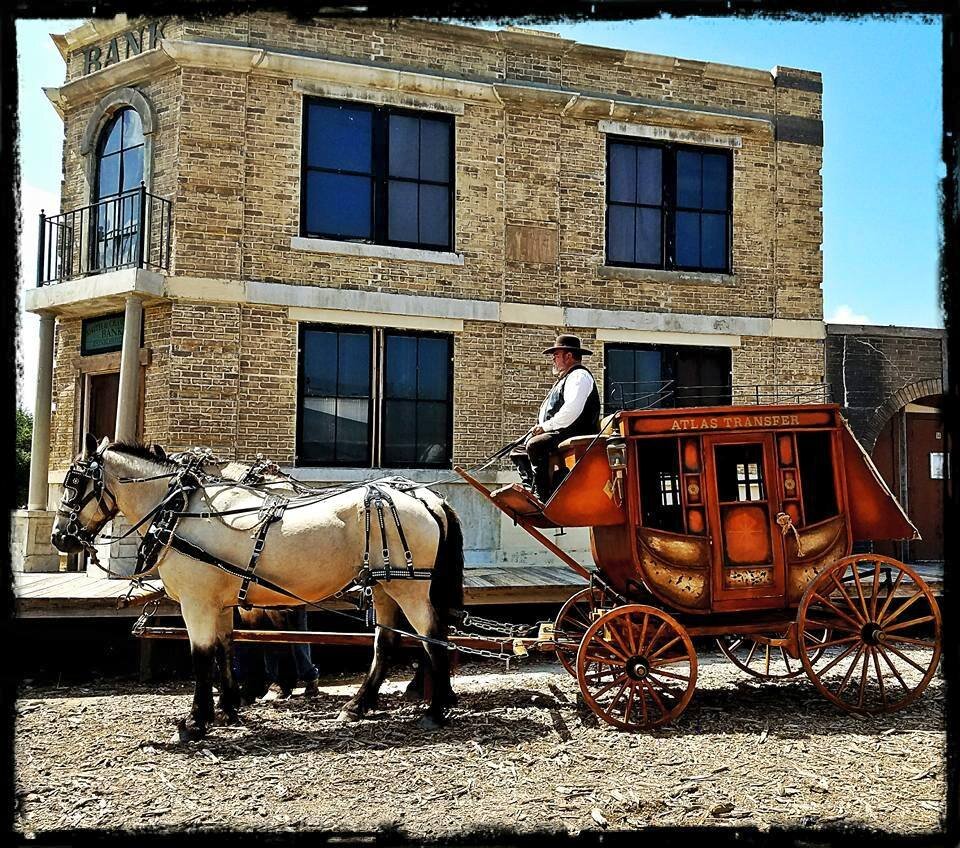
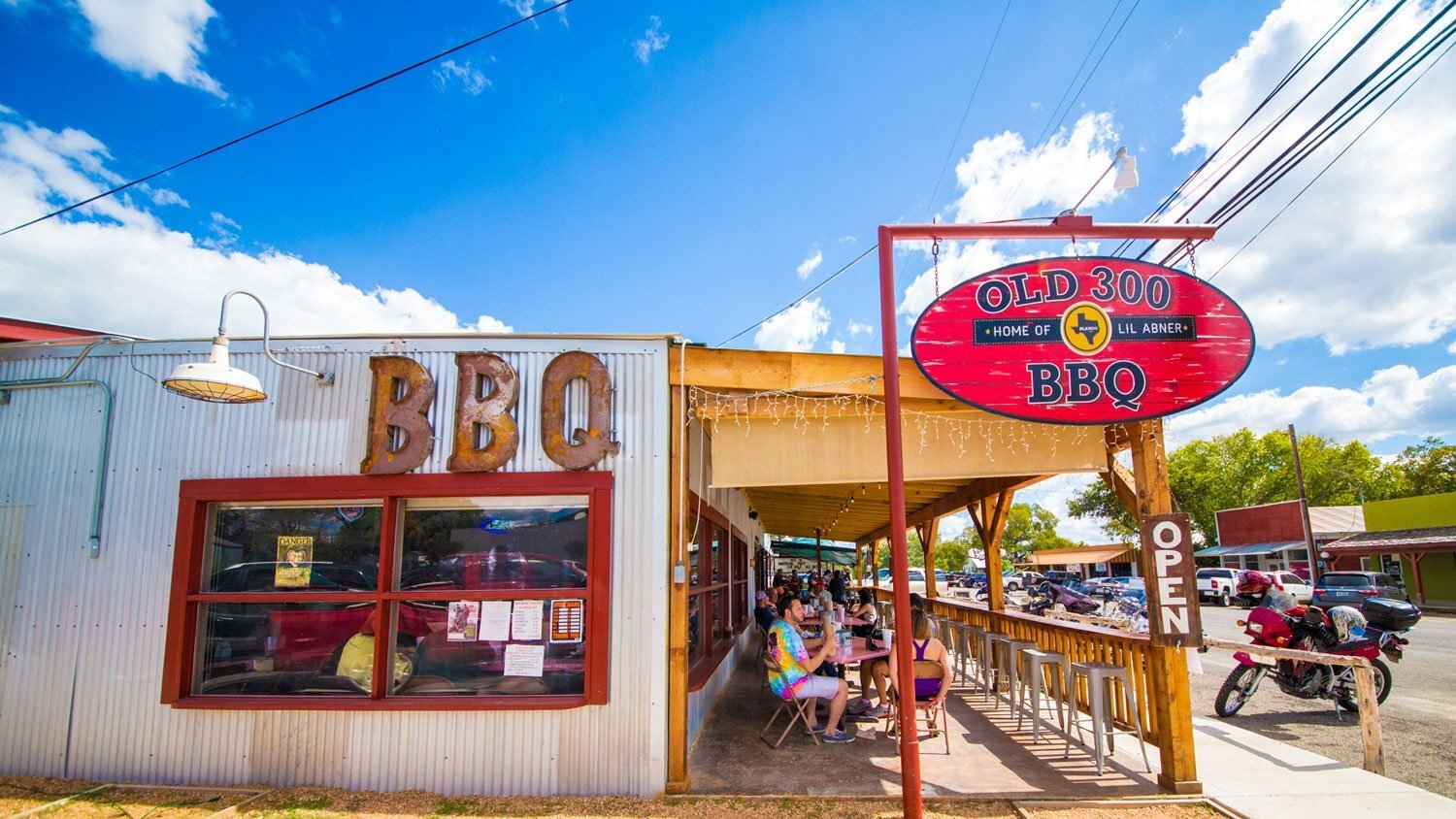
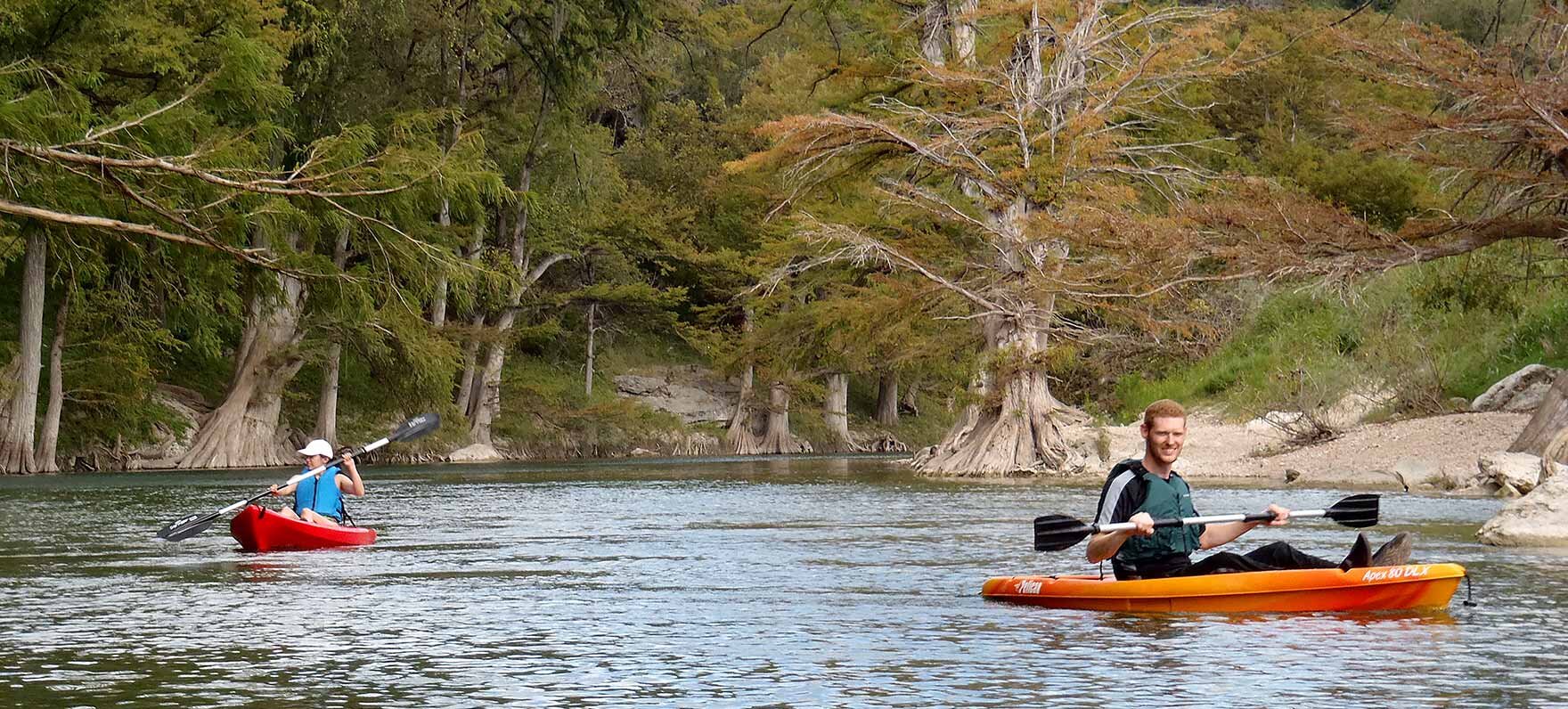
Welcome to cowboy country! Discover local history at Blanco Pioneer Museum (Sundays only) and the Buggy Barn Museum—a one-of-a-kind collection of horse-drawn vehicles. In nearby Blanco State Park, rent kayaks and tubes for a day on the water (reservations required). The historic downtown has dining options near picnic-ready Bindseil City Park, including Old 300 BBQ (outdoor patio), Blanco River Pizza Co. and Redbud Cafe (+ pottery studio).

Canyon Lake (45-50 min. from the Science Mill)

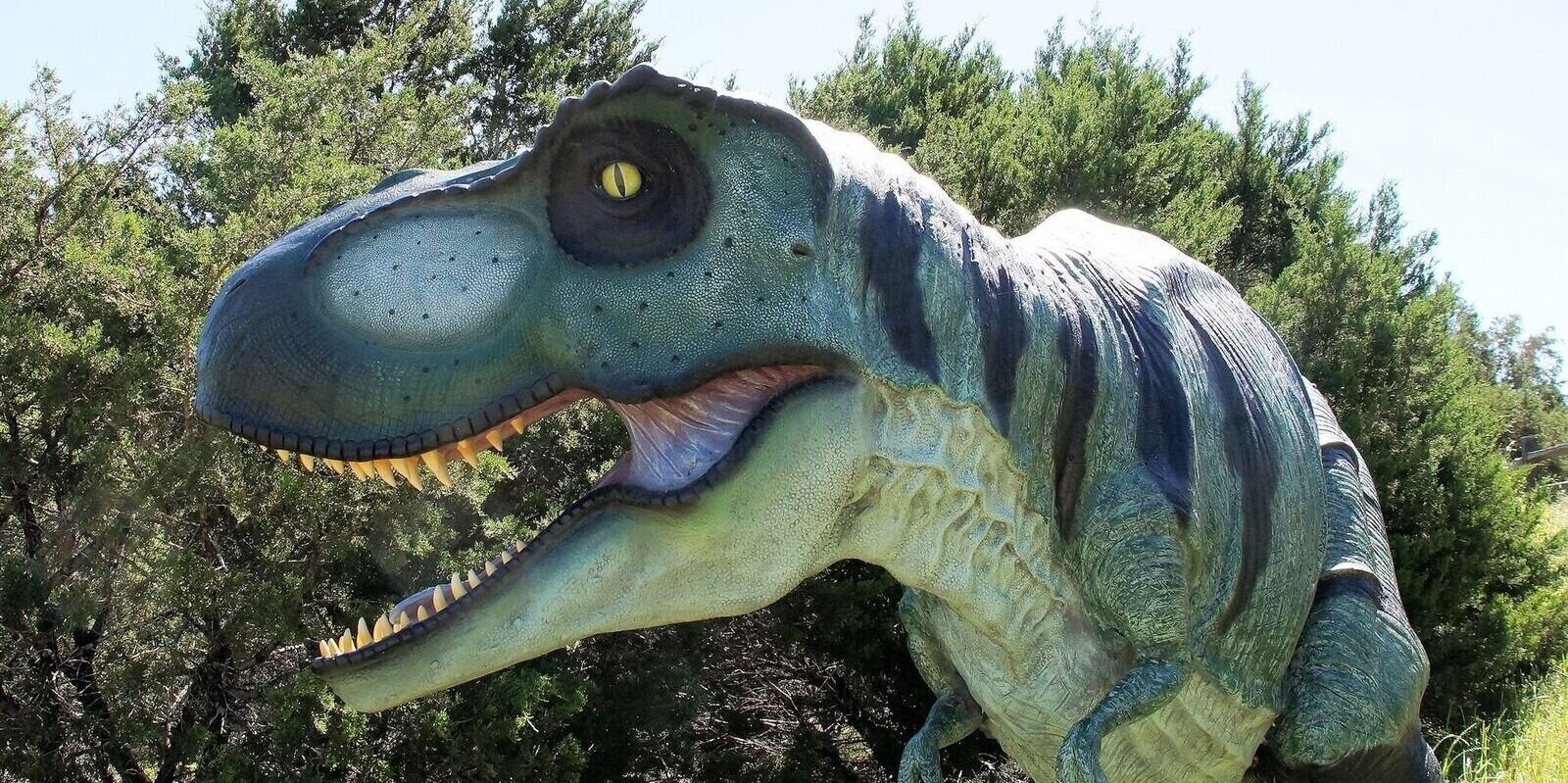
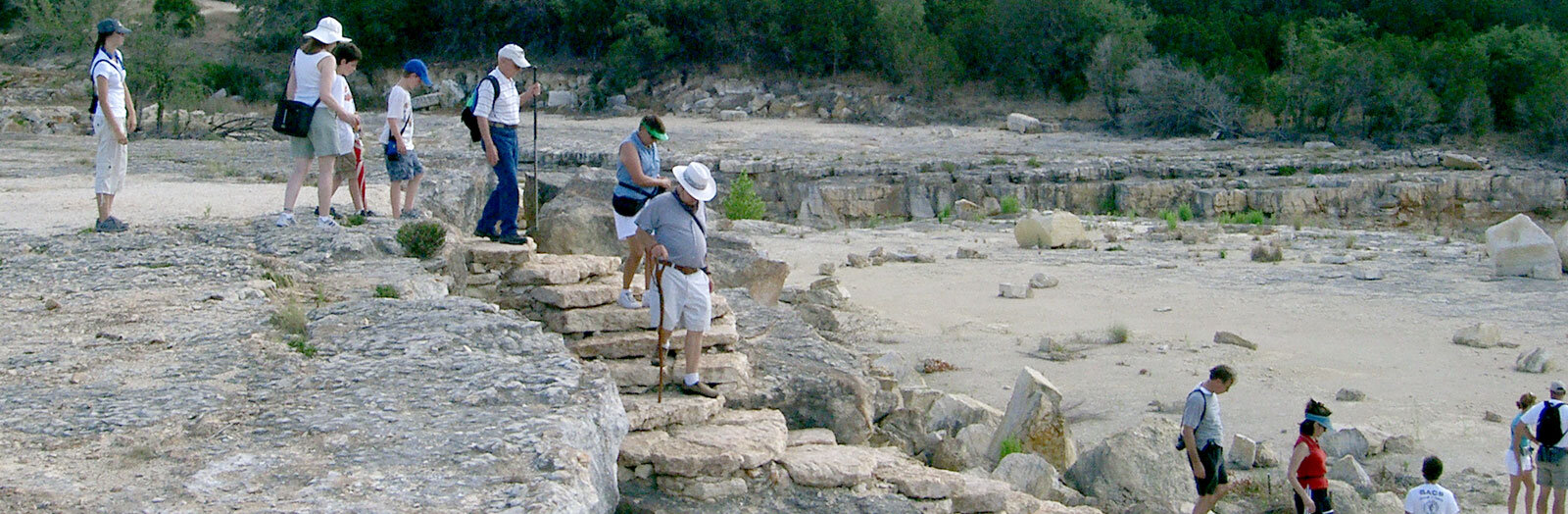
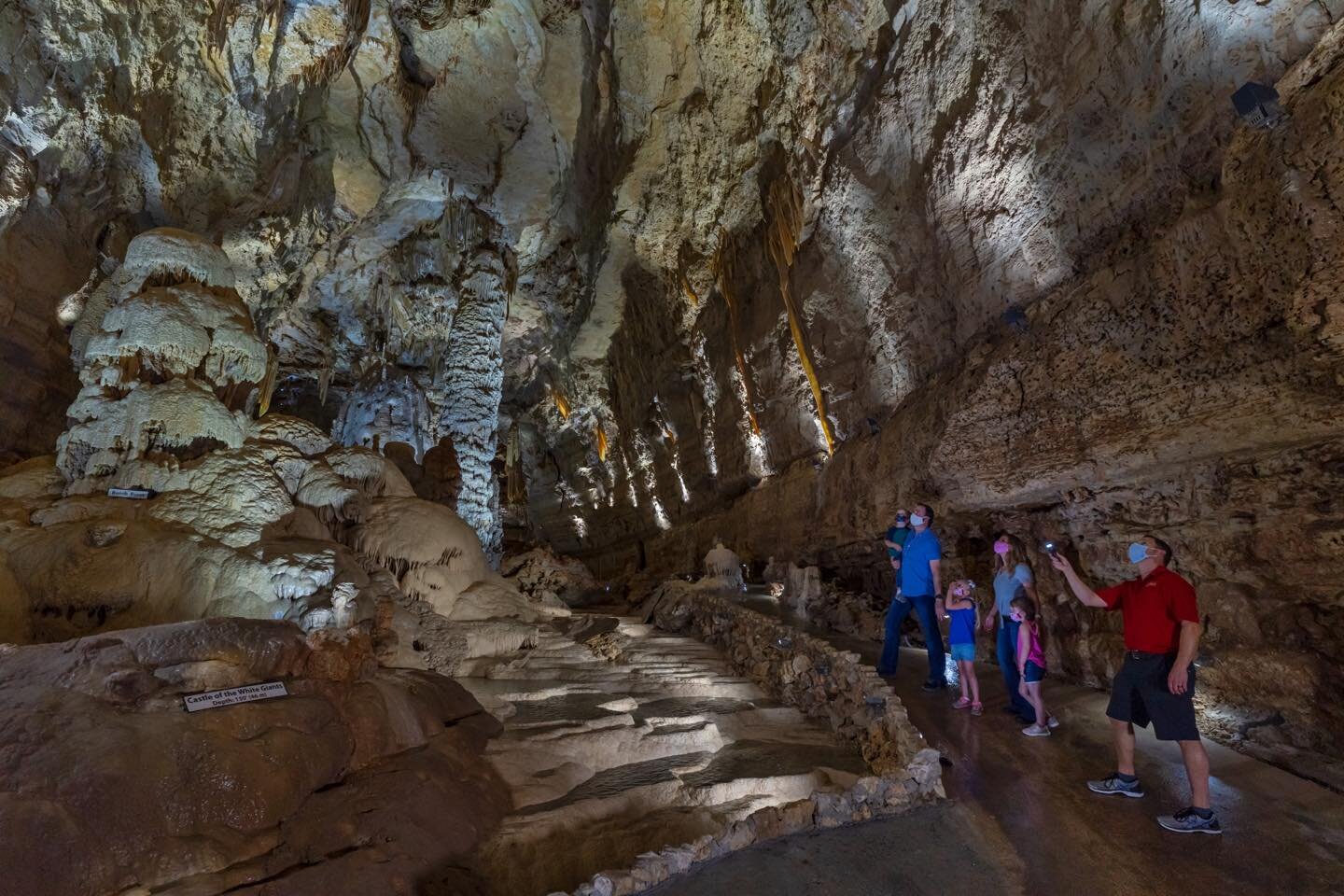
Follow real dinosaur tracks at the Heritage Museum of the Texas Hill Country, which also has fossil exhibits and model dinosaurs. The three-hour guided Canyon Lake Gorge Tour is physically demanding, but offers an up-close look at fossils, dinosaur footprints and waterfalls (ages 7+; reservations required). For more natural attractions near U.S. 281, visit Guadalupe River State Park near Spring Branch (reservations recommended) or Natural Bridge Caverns west of New Braunfels.


With so much to do, you may want to upgrade your Hill Country getaway from a day trip to a long weekend. Johnson City has a helpful resource to find local inns, rentals and campgrounds. 

Now, hit the road! Drop us a digital postcard on Facebook, Instagram or Twitter and tag us to show off your favorite stops.

How did pterosaurs fly?

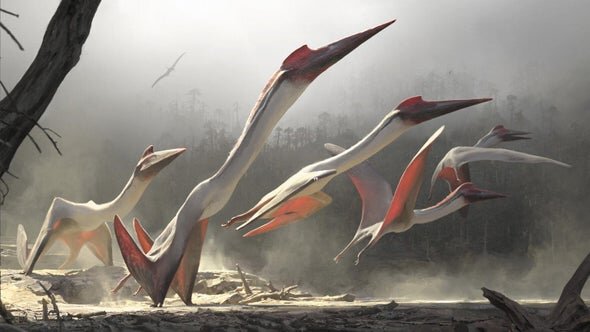
At the Science Mill, we love dinosaurs—we’re guessing you do, too! But in this blog, we want to show some love to pterosaurs: prehistoric flying reptiles that lived among dinosaurs, but were NOT dinosaurs. 

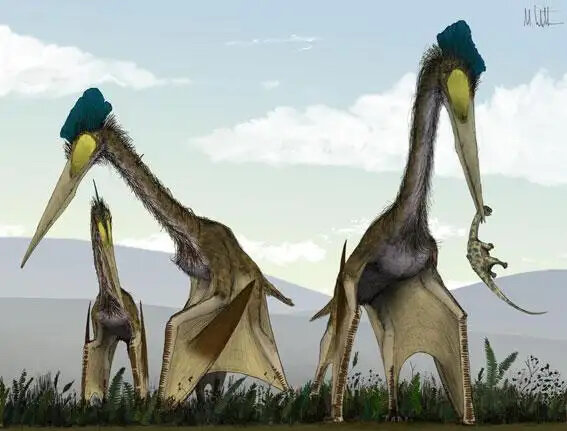
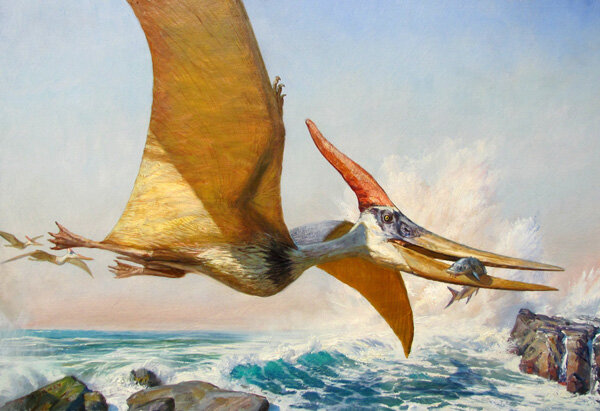
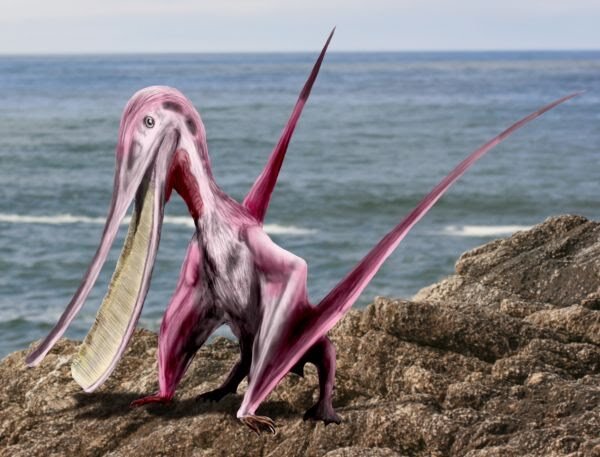
In case you missed Part 1, pterosaurs ranged in size from sparrows to Cessna airplanes and had wild adaptations, including big heads, crazy crests and special membrane wings supported by super-long 4th fingers. What’s not to love?!

If dinosaurs ruled the Earth, pterosaurs definitely ruled the skies. But how they flew is a mystery paleontologists are still piecing together. You can try flying as a pterosaur in Jurassic Flight 4D, the Science Mill’s new 4D virtual reality experience! To celebrate its opening, join us Saturday, May 29 for Jurassic Experience, a day of dino-themed activities and special screenings of Flying Monsters, which features some of the paleontologists in this blog.

(artist: Chase Stone)

(artist: Chase Stone)

How did pterosaurs fly?

This is one of the big debates about pterosaurs: were all of them really able to fly—even the giraffe-sized species? This is where mathematics and computer models come in.

One computer simulation, developed by paleontologist Sankar Chatterjee and his team at Texas Tech University, suggests that an animal the size of a fighter jet would need a runway. “It probably had to find a sloping area like a riverbank,” explains Dr. Chatterjee, “then run quickly on four feet, then two, to pick up enough power to get into the air.” Once in the air, it was a graceful if frightening sight. “This animal probably flew like an albatross or a frigate bird in that it could soar and glide very well.”

Paleontologist Michael B. Habib and others have a different theory, based on computer simulations of pterosaurs’ launch power—no runway needed. “Flying animals do not flap their way into the air,” notes Dr. Habib. Instead, takeoff starts with a powerful jump, and four-limbed pterosaurs had double the power. “The legs would have pushed first, followed by the arms, for a perfect one-two push-off.” Some have compared the move to pole-vaulting. 

(credit: Julia Molnar, via Scientific American)

(credit: Julia Molnar, via Scientific American)

But what about those enormous heads? If pterosaurs flew with their wings angled forward, as calculations by Dr. Colin Palmer and his team suggest, their big heads would be balanced. New fossils offer additional clues. CT scans of a pterosaur vertebrae recently revealed a strength-building secret: a “tube within a tube” structure supported by spokes, similar to a bicycle wheel. Paleontologist Cariad Williams and her team calculate that for a pterosaur with a 4-foot neck, adding just 50 spokes to its vertebrae would allow it to lift 90% more weight—roughly equal to picking up prey that weighed 24 pounds. 

Are there pterosaurs living today?

Screen Shot 2021-05-03 at 10.39.52 PM.png

No—pterosaurs went extinct at the end of the Cretaceous period. While birds evolved from dinosaurs, pterosaurs have no living descendants. They do, however, have mechanical relatives! 

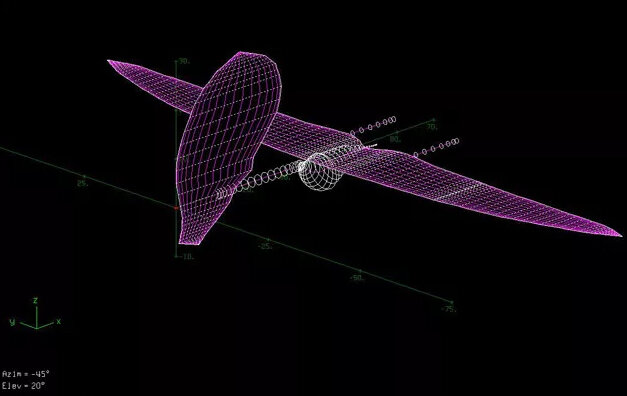
Experimental designs for Pterodrone (images: Brian Roberts)

Experimental designs for Pterodrone (images: Brian Roberts)

Dr. Chatterjee and Rick Lind, an aeronautical engineer, teamed up to create a drone inspired by pterosaurs’ unique flying adaptations. Named “Pterodrone,” the drone’s design includes membrane-inspired morphing wings and an adjustable crest in the front. The features make the drone a more versatile flier in tight spaces. In the future, they hope to add the pterosaurs’ ability to walk and possibly sail.

TRY IT AT HOME OR SCHOOL

Animal Design Challenge

Research on pterosaurs helped Dr. Chatterjee and Dr. Lind design a new drone. Their work used biomimicry: an approach to technological innovation that draws ideas from nature. To experiment with biomimicry, try this Animal Design Challenge alone, with a partner or with a group!

 Supplies

  • Slips of paper, index cards or Post-its (enough for each participant to get two)

  • Pencils or pens for writing

  • Colored pencils, crayons or markers for drawing

Dr. Chatterjee with a skeleton reconstruction of the pterosaur that inspired the Pterodrone’s design. (credit: AP Photo/Artie Ummer)

Dr. Chatterjee with a skeleton reconstruction of the pterosaur that inspired the Pterodrone’s design. (credit: AP Photo/Artie Ummer)

  1. On half the cards, write an animal—one per card. (Prehistoric animals are fair game!)

  2. On the other half of the cards, write a short everyday problem—one per card. (EX: Keep construction workers safe; chop up vegetables; carry a heavy bag)

  3. Mix up the animal cards and have each person take one; mix up the problem cards and have each person take one of those, too.

  4. Brainstorm! How could your animal inspire a solution to your problem? Maybe something about their body? How they move, or where they live? Jot down your ideas.

  5. Design! Pick one of your ideas and sketch out a prototype for a new product or system. Try to show how it would work.

  6. If you’re working solo, pick another animal card and see if you can add on to your prototype; or pick another problem card, too, and start again!

  7. If you’re working with a partner or group, share your ideas. After seeing everyone’s animals, problems and prototypes, what new combinations do you see for biomimicry inspiration?

  8. Keep observing and brainstorming! Study plants and animals outside, a pet at home—who knows where your next big idea might come from?

CAREER CONNECTION
“An aircraft based on pterosaur concepts may be able to fly to a rooftop then walk under an overhang to mount a sensor in a dark corner.” — paleontologist Sankar Chatterjee and aeronautical engineers Rick Lind and Brian Roberts, on their inspiration for Pterdrone

MORE TO EXPLORE
Explorer Zone Episode 4: Masters of Disguise

Labs on the Go: Bug Inspired Biomimicry (Grades 6-8)
Check out our new Labs on the Go series for Grades K-8: Each Lab combines hands-on STEM activities with video “field trips” that show science in action. Everything you need ships directly to your classroom and is supported through an easy-to-navigate online learning system!

Buy Admission Tickets