Perseverance: Join a mission to Mars!

Imagine traveling for 290 MILLION miles. That’s how far NASA’s Perseverance rover has had to travel since its launch on July 30, 2020. Now, seven months later, it’s finally close to its destination: Mars. 

Atlas V rocket launches with Perseverance rover on board. NASA/Joel Kowsky

Atlas V rocket launches with Perseverance rover on board. NASA/Joel Kowsky

On February 18, 2021, you’ll be able to watch Perseverance make its historic landing on Mars. The rover’s final dissent will take only seven nail-biting minutes. But that moment took seven and a half years of planning and decades of research.

“Perseverance will be NASA’s ninth lander on Mars,” explained former NASA astronaut (and Science Mill board member) Col. Tom Henricks. “It will land in an ancient lakebed and search for fossilized microbial life. Perseverance may find proof that life existed on Mars!”

Perseverance has a ground-breaking job to do—literally: drilling into the Martian rock to collect samples that can be studied back on Earth. Scientists will examine the samples for traces of ancient microorganism (aka early life). It will be our first round-trip research mission from Mars! But we’ll have to be patient. Perseverance will leave the samples behind for future missions to pick up, hopefully in the next decade.

That’s why where Perseverance lands is so crucial. Its target is the Jezero Crater. There, scientists have spotted signs of an ancient river delta, a bit like where the Mississippi River reaches the Gulf of Mexico. The crater likely held a lake that connected to the river network. Areas like this on Earth are especially good at preserving microbes and organic materials, as layers of mud and silt become sedimentary rock over time. Scientists hope the same is true on Mars. Out of the 60+ sites considered for landing, Jezero’s unique terrain looks like the best bet for finding traces of what ancient Mars was like.

Perseverance is programmed with detailed photos of Jezero’s landscape and the landing target. As it descends, Perseverance’s cameras will take pictures of the ground below and match them against the target photos, to make sure it’s headed for the right spot.

This illustration shows what will happen in the final minutes of Perseverance’s descent to Mars. NASA/JPL-Caltech

This illustration shows what will happen in the final minutes of Perseverance’s descent to Mars. NASA/JPL-Caltech

These cameras are among the many science instruments packed into the car-sized rover. Perseverance is equipped with:

  • 23 cameras, including seven for entry, descent and landing…

  • …and the Mastcam-Z, its “eyes”, which can take video, wide-angle and 3D photos

  • microphones, letting us experience hearing on Mars for the first time

  • a small helicopter, to test whether we can operate a drone on another planet

  • sensors to measure wind speed, air pressure, temperature and other weather changes

  • a rocket launch test device that will turn carbon dioxide into oxygen

  • the SuperCam, which uses laser zaps to study the chemistry of rocks

  • a powerful but tiny X-ray instrument that can detect different elements and map rocks

  • a ground-penetrating radar to study layers of Martian rock

  • three robots that work together to drill, transfer and seal those important rock samples

Some of the scientific instruments on board the Perseverance rover. / NASA

Some of the scientific instruments on board the Perseverance rover. / NASA

If all goes well, Perseverance’s mission will last for one Mars year (about 687 Earth days). All the data it collects will help us better prepare for future missions, including the ultimate goal of putting humans on Mars in the next decade, as Col. Henricks described:

“I’m so excited about NASA’s Perseverance mission because it is another important step toward the human exploration of Mars. One of the experiments will determine if the carbon dioxide on Mars can be turned into oxygen for astronauts to breathe and for fuel. Such a discovery is critical to understanding how people can visit Mars. Perseverance is part of NASA’s Mars 2020 mission. Mars 2020 and the Artemis mission to land the first woman and next man on the Moon in 2024 are historic challenges. Dream big, you may visit the Moon or Mars!”


MORE TO EXPLORE

On the Explorer Zone, hear about Col. Tom Henrick's four space shuttle missions and find even more games, activities and videos about space exploration.

Upcoming programs at the Science Mill:
Homeschool Days: Careers in Space Science, March 5 & March 24
All students are invited to join for a day of hands-on science all about space!

Exclusive talks from the Science Mill’s Future of Science series:
Former astronaut Col. Tom Henricks on tourism in space

Hunt for galactic fossils with Dr. Keith Hawkins

Additional resources & virtual programs:
Perseverance program with Mars scientists Dr. Candice Bedford, Feb. 13, 3pm CT
For children ages 7-13; advance registration required at link above

Watch the NASA TV broadcast of Perseverance’s landing on Feb. 18

Send your name to Mars & other ways to get involved

Try driving Perseverance in an online game

NASA’s Mars Exploration program

Meet the kid who named Perseverance
Mary, our Assistant Director of Education, helped judge the naming contest!

High School Girls Only STEM Night & Astronaut Convocation, March 4, 4-7pm CT
Grades 9-12; advance registration required: tinyurl.com/1tngt1yg

Meet Our Team!

Please get to know the Science Mill staff! Our team members are dedicated to and passionate about their work, and they bring creativity and curiosity to everything they do at the Science Mill. Scroll through our staff profiles to learn a bit more about each of them, and check back as we add more!

12 Days of STEM Gifts

Looking for unique holiday gifts? We’ve got over a dozen ideas to engage and delight the future scientists in your life! The 12 Days of STEM Gifts come recommended by our staff and are inspired by favorite Science Mill exhibits. Everything is available from the museum’s Science Store on site (open during museum hours) or online, with shipping to anywhere in the U.S. Plus, these gifts give back: your purchases help to fund our science programs for Texas youth.


DAY 1

Chemistry C500 Kit

Colleen, a Science Mill STEM Education Specialist, loves making chemical reactions and explosions at the museum’s Chemical Reaction exhibit. She recommends the Chemistry C500 kit, with 28 classic experiments. This hands-on kit reveals that chemistry isn’t just for laboratories; it helps explain the chemistry behind everyday events all around us.


DAY 2

DIY Bubble Blower

Sherry, our Visitor Services Manager, is proof that our new Bubble Station is truly fun for all ages. “I’m always available to ‘test’ the bubble mix,” she says. “Who doesn’t love bubbles?” For the bubble fans in your life, Sherry recommends the Bubble Blower: it lets you build your own bubble-blowing machine using an electric motor, fan, gearbox and soap bubble wheel.


DAY 3

Ginormous Grow Lizard

Animal-lover Ryan, our Animal Care Technician, is especially fond of the colorful panther chameleon in the Masters of Disguise exhibit. Now you can grow your own lizard, with the Ginormous Grow Lizard! Place them in water and they grow from 12½” to up to 36” in length.


DAY 4

365 Science Activities Book


The 365 Science Activities Book gives you a year's worth of science fun! There's a new scientific discovery to be made each day in this inspiring book full of easy and exciting experiments—for example, split light into different colors using glass and white paper. (Our Family Memberships are another great way to share a year of science fun!)


DAY 5

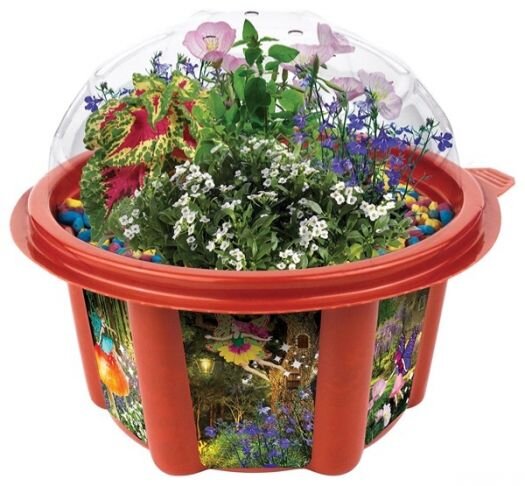
Mini Fairy Garden + Thirsty Plant Kit

Emilee, our STEM Outreach Specialist, loves walking through the Mill’s Aquaponics Greenhouse. If you have a budding gardener in your life, check out the Mini Fairy Garden for younger kids or the Thirsty Plant Kit, which allows kids 8+ to build their own solar-powered moisture sensor.


DAY 6

Makey Makey GO


The Banana Piano is a visitor favorite at the Science Mill. You can recreate it at home—or anywhere else—with Makey Makey GO! With the snap of an alligator clip, the tinkerer in your life can transform everyday objects into Internet touchpads and invent anytime and anywhere!


DAY 7

Kids First Stepping Into Science Kit

Rachel, our STEM Education Specialist, loves seeing the look of wonder on kids’ faces when they’re really engaged in an exhibit. Foster that same sense of curiosity at home with Rachel’s gift pick: the Kids First Stepping into Science Kit! With 25 fun, hands-on experiments and a 48-page guidebook, this kit introduces the scientific method through five topics: nature, physics, chemistry, air and water.


DAY 8

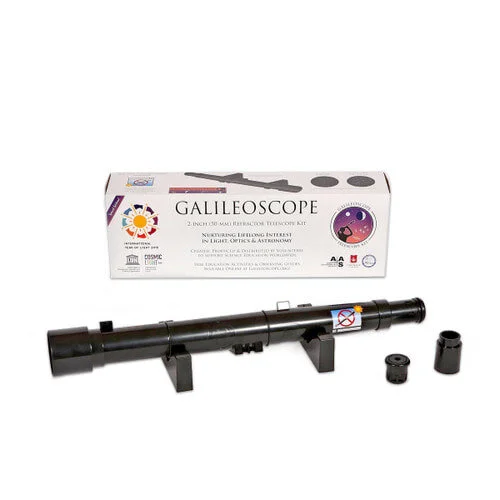
Galileoscope + Astronaut snacks

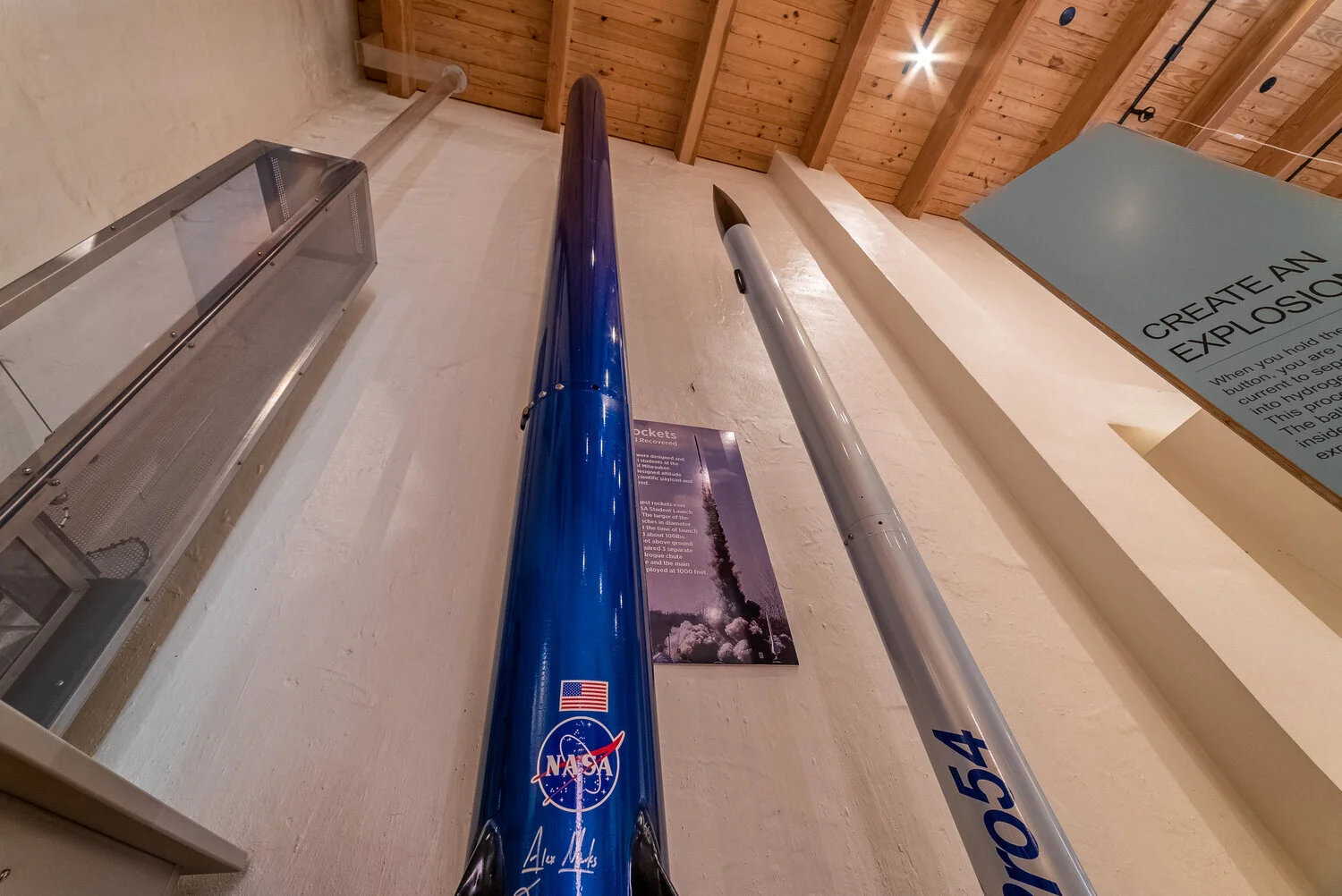
Know an aspiring astronaut? After checking out our display of NASA Student Launch Initiative Rockets for inspiration, pick up the Galileoscope—a build-your-own telescope kit! View the night sky just as Galileo did 400 years with this high-quality kit, developed by leading astronomers, optical engineers and science educators. For a great stocking stuffer, grab some freeze-dried astronaut fruit, too.


DAY 9

Make a FLINGER BOT Kit

Mary, the Science Mill’s Assistant Director of Education, believes the best way to learn is to play! That’s why her top gift pick is the Make a FLINGER BOT kit. This kit has everything from hydraulics to propellers, similar to our Incredible Ball Machine exhibit. Now you can make your own Rube Goldberg-like contraption to fling objects with abandon!


DAY 10

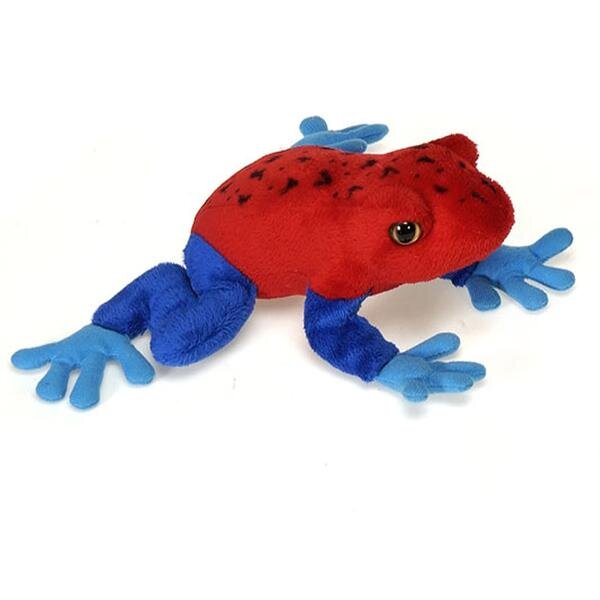
Plush poison dart frog

Since their debut in Masters of Disguise this summer, the poison dart frogs have become a new staff and visitor favorite. Take home these cute-but-deadly creatures in plush frog form—and check out the huggable axolotl and turtle plushies, too!


DAY 11

Motorized Robot Hand

Bradley, the Science Mill’s Exhibit Design Technician loves the hands-on, robotic elements of the Mill’s Robotic Marionette. For kids who dream of creating their own robot, the Science Store offers a variety of DIY robotic toys and kits, including the Motorized Robot Hand.

DAY 12

Dinosaur hand puppet + Dino-themed pencil bag and putty

Our Fossil Dig is always a big hit with young visitors. Did you know we have a plethora of prehistoric presents for potential paleontologists in the Science Store? From a dinosaur pencil bag to a dino hand puppet to dinosaur putty, these stocking stuffers will have them roaring with delight!

SHOP NOW!

For more ideas, see our Science Outside Gift Guide.

Science Outside Gift Guide

Welcome to the Science Mill’s STEM gift guide, focused on enjoying science outside! Inspired by the outdoor exhibits in our Science & Art Park, we’ve selected some of our favorite toys, kits and books that spark kids’ love of nature and wonder for the world around them. There are options for a variety of ages (3+ to teens) and price points (starting at $4). You’ll find these gifts and more in our Science Store, both at the museum and online, with shipping available anywhere in the U.S. An added bonus: all purchases support the Science Mill’s STEM programs for Texas youth and help inspire the next generation of scientists.


For Backyard Biologists

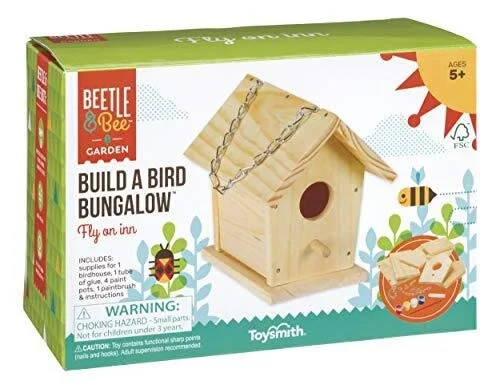
Welcome birds to your backyard! The Build a Bird Bungalow kit includes all the materials to construct and paint a colorful hanging bird house. Nurture a green thumb and imagination with the Mini Fairy Garden. Kids can grow their own garden inside a tiny terrarium with a magical twist.

 For a closer look at your tiniest neighbors, try the magnifying Bug Viewer or one of the Nature Explorer Sets—options include a multi-lens magnifying glass, net and bug habitat. Wish you could go “behind the scenes” of an insect’s life? The clear-walled Interactive Ant Habitat lets kids see into ant tunnels. It has everything you need to care for a colony—just add ants!

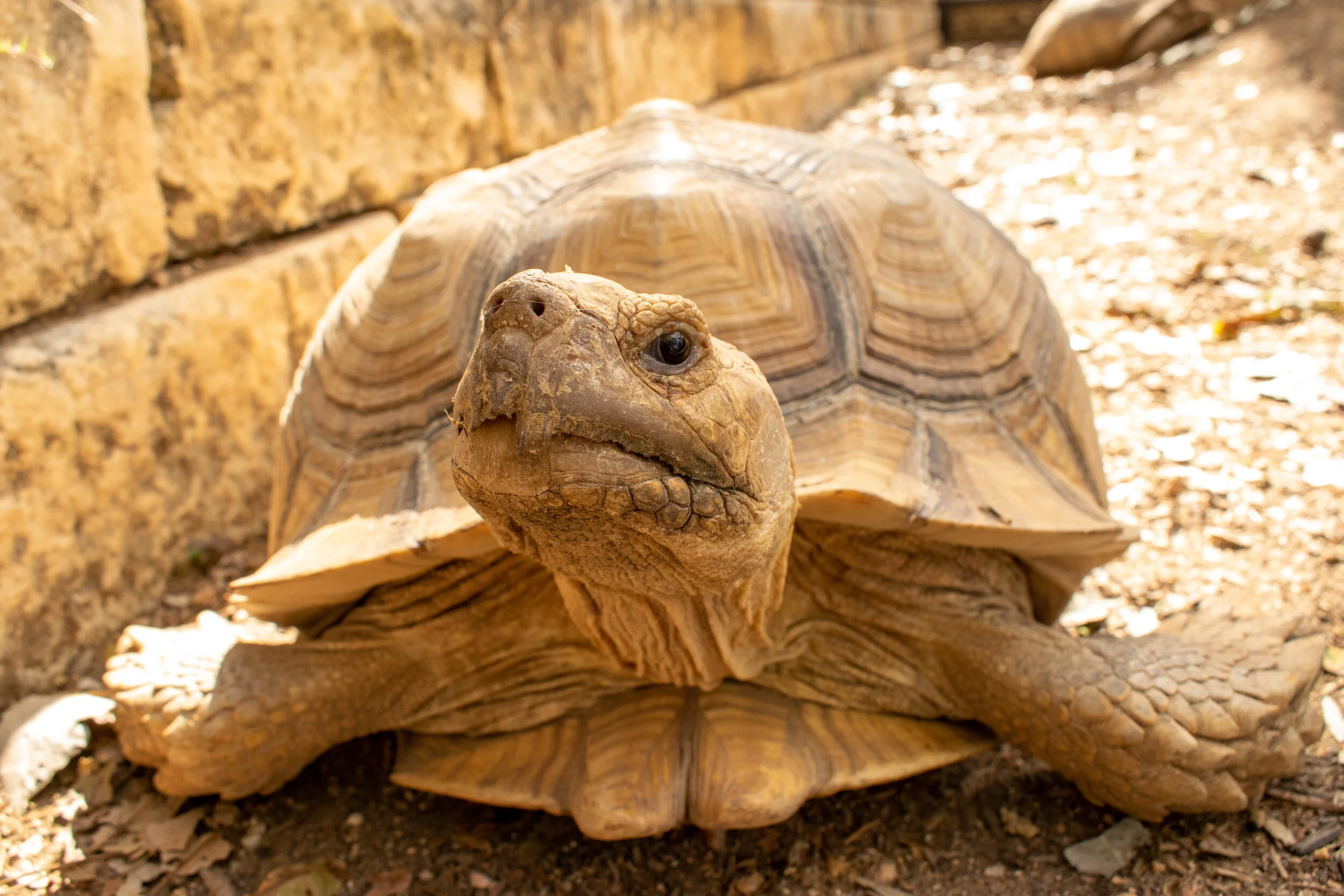
Science Mill inspiration: Butterfly Garden, African Spurred Tortoises, Aquaponics Greenhouse


For Stargazers & Storm Chasers

Not only is the Galileoscope powerful enough to view Saturn’s rings and the moon’s craters, kids get to build it themselves! Experiment with lenses and learn about optics as you complete the kit, then head outside to explore the skies. Bring along the Pocket Star Finder to help identify constellations.  

Go from asking “What’s the weather?” to explaining, how it works with the Climate and Weather Kit. Build a model Earth and use it to recreate our planet’s atmosphere, wind systems and air currents; track your local weather with a DIY barometer and rain gauge.

Science Mill inspiration: Bubble Station, Story of Water, NASA Rockets


For Engineers & Experimenters

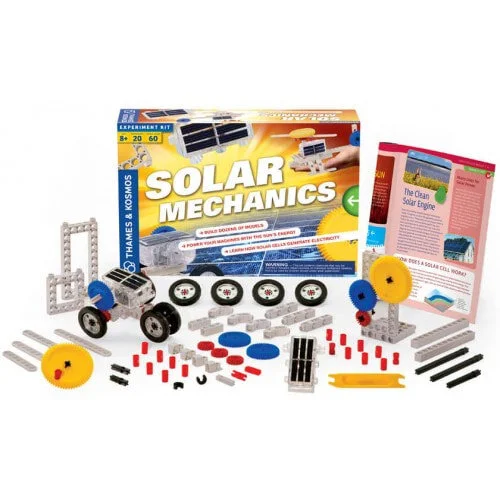
With the Solar Mechanics Kit, kids can build race cars, windmills, robots and more—all powered by the sun! Follow the 20 suggested projects or create your own using the kit’s solar motor. For more fun with the sun, check out the Physics Solar Workshop: it has everything young engineers need to experiment with solar cells, motors and simple machines. Use the sun to fuel kids’ artistry, too: Capture shapes and create patterns on sun-sensitive paper with the Solar Print Kit + Solar Print Paper refills.

Look out below—these kits turn physics into high-flying fun! Make a Flinger Bot from a wacky Rube Goldburg-style mix of gears, propellers and hydraulics. Or Make a Catapult following a wooden design inspired by Leonardo da Vinci. Turn it into a team sport: Stack the Wooden Toppling Towers together, then take turns trying to remove a piece without causing a crash! 

Science Mill inspiration: Incredible Ball Machine, Wave Pendulum, Colossal Robotic Hand


For Coders & Puzzlers

Turn your yard into a technology lab with Makey Makey GO. Compatible with USB-port devices, this portable circuitry tool lets kids turn everyday objects into digital touchpads. Create a swing set counter or a soccer scorekeeper!

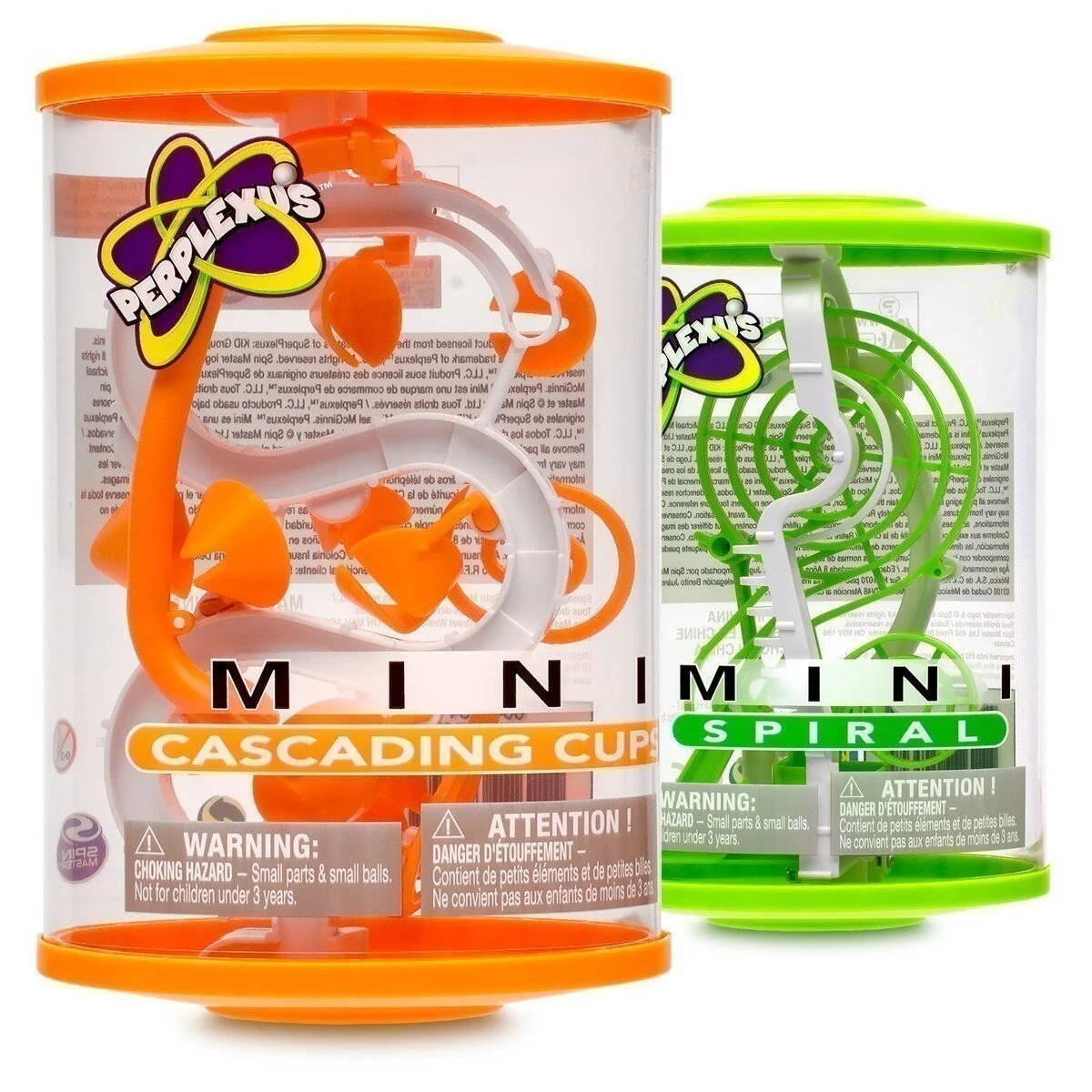
Perplexus Mini is a hand-held 3D puzzle that takes mental focus and physical coordination (aka a perfect brain break to get the wiggles out!). Flip, twist and spin as you guide a marble through a miniature maze. Create your own dizzying mazes with Sidewalk Spiral Art. The stencils interlock like gears, letting kids create intricate chalk design—it’s art and math combined.

Science Mill inspiration: Banana Piano (powered by Makey Makey!) Labyrinth, Wondergraph


For Everyone Stocking Stuffers

Don’t mistake this stocking stuffer for a lump of coal! Smashable Geodes look like bumpy brown rocks on the outside, but a hammer’s whack reveals sparkling crystals inside. For a different take on geology, try the Magic Sand Kit: silicone oil coats each grain of sand, creating a unique material you can squish, shape and pour (and clean up with ease).

Books are always a great way to spark curiosity and creativity. The Science Store’s Book section  has everything from board books for babies to activity guides for aspiring architects, astronauts and scientists. Here are just a few of our favorites:

Of course, you can’t go wrong with a gift card or a Family Membership! Our Science Store also has fun ways to make a celebratory contribution in honor of a loved one—such as donations to help feed the tortoises or plant seeds in our Aquaponics Greenhouse. 


Buy Admission Tickets